Introduction
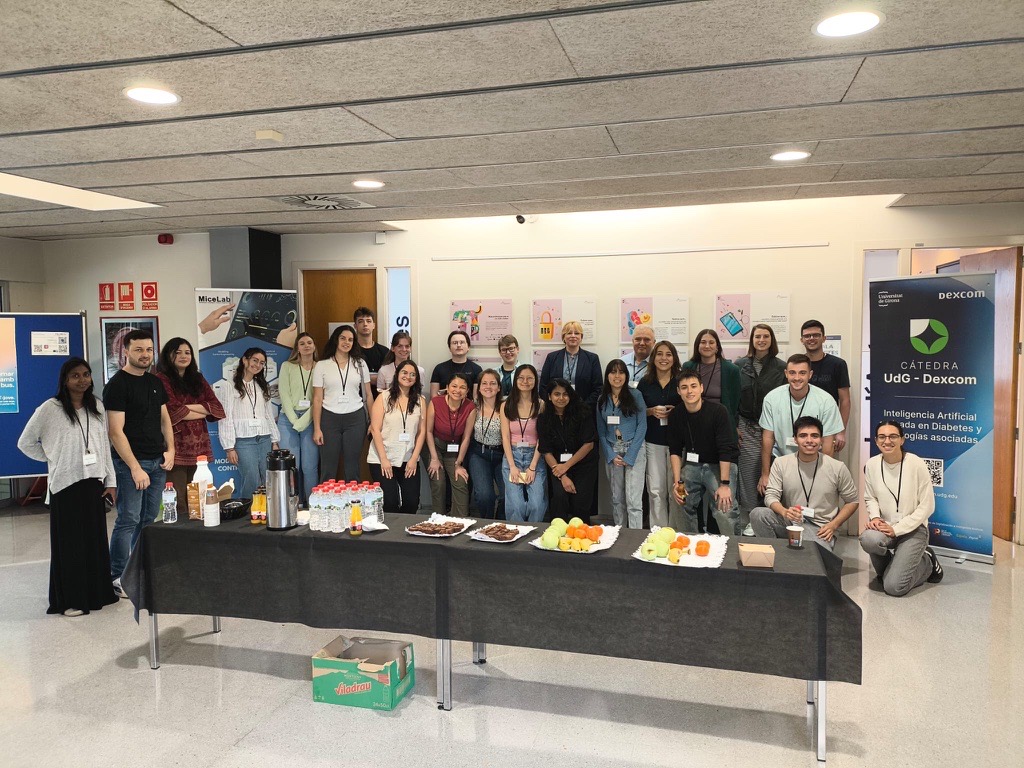
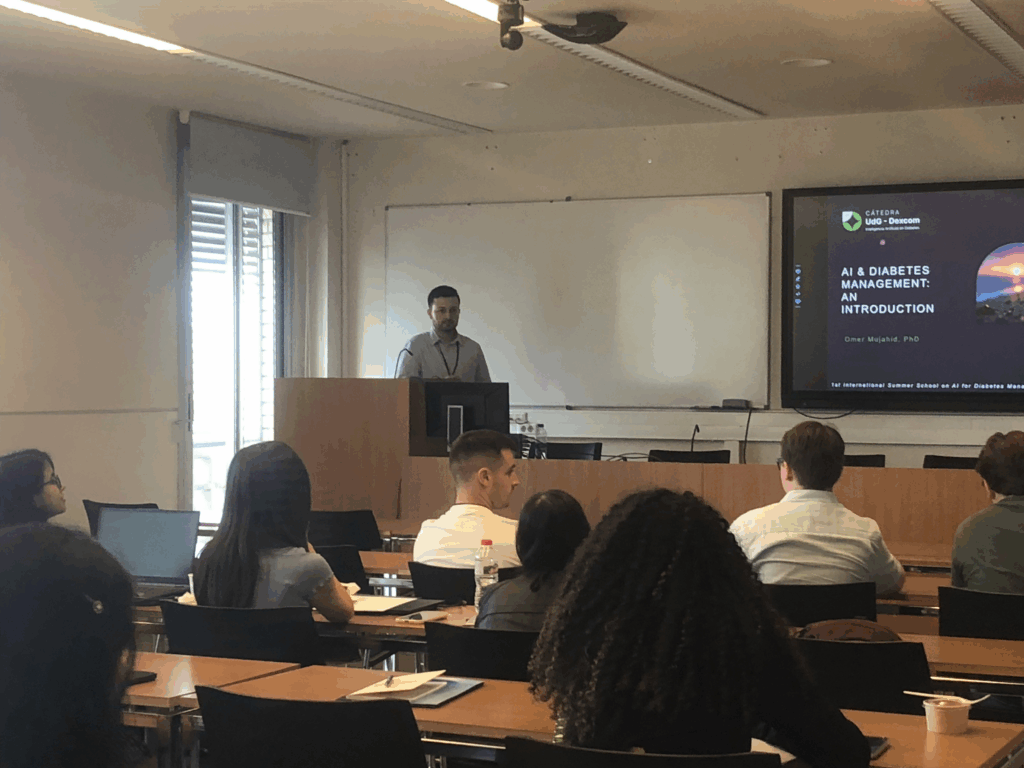
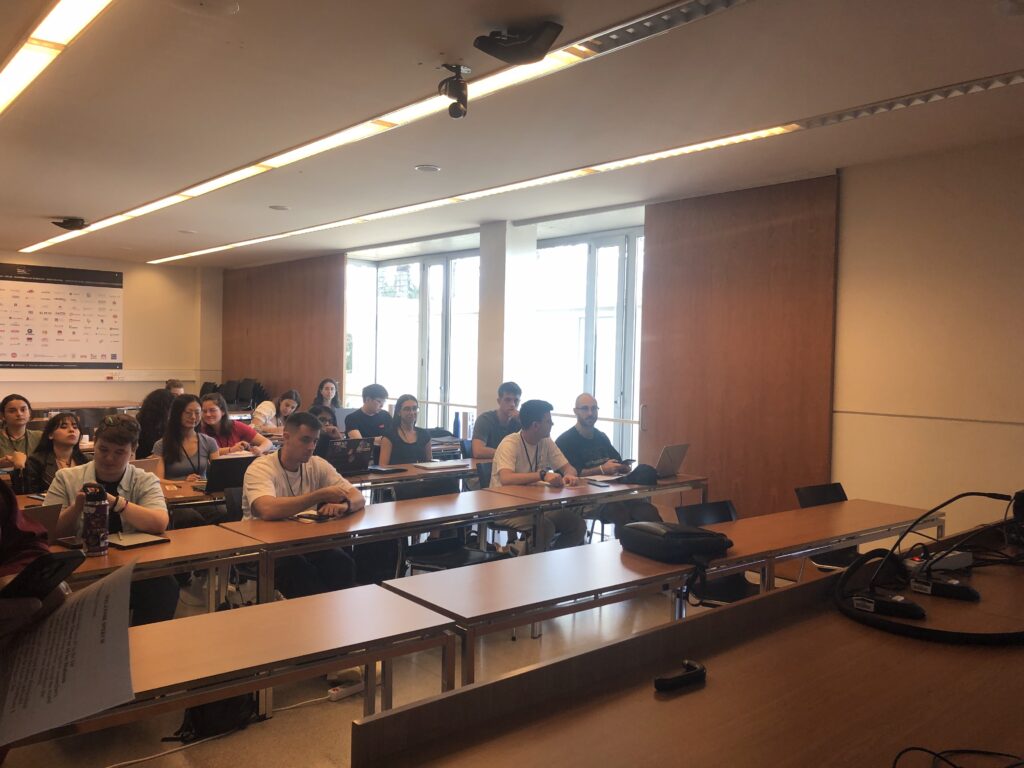
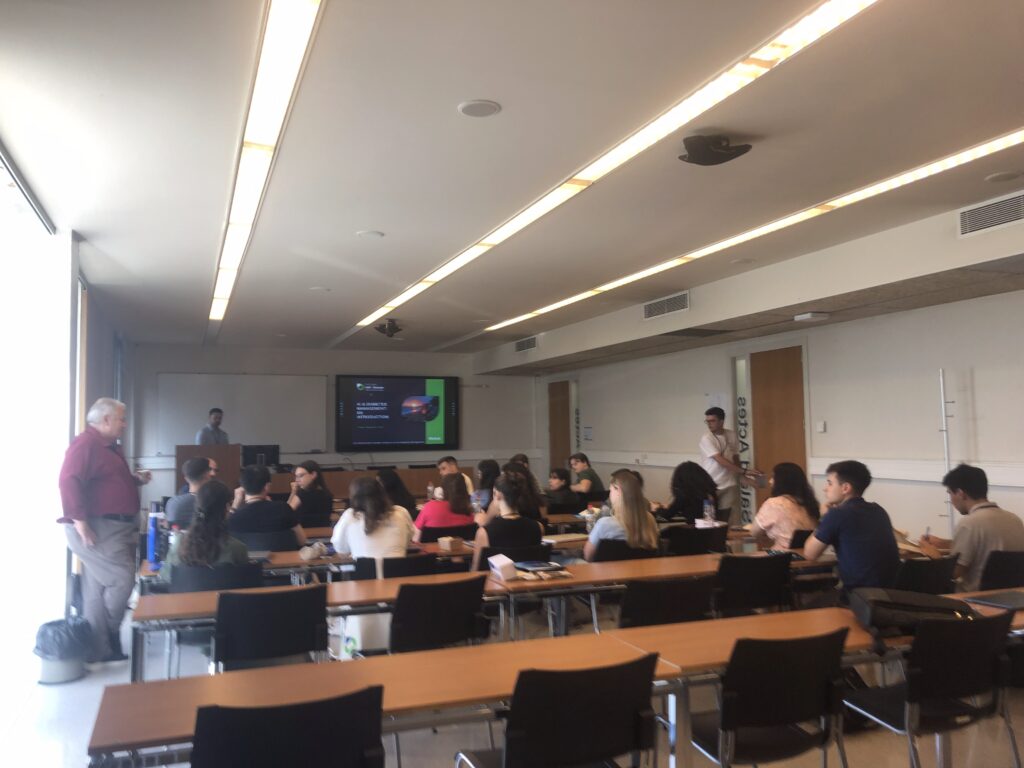
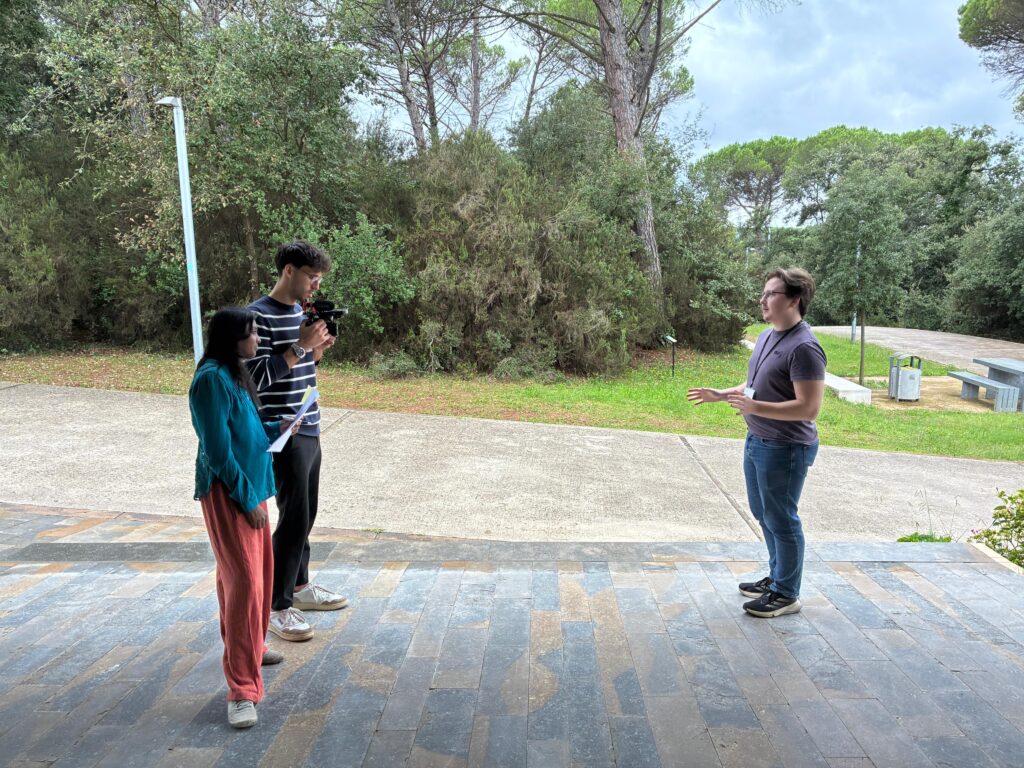
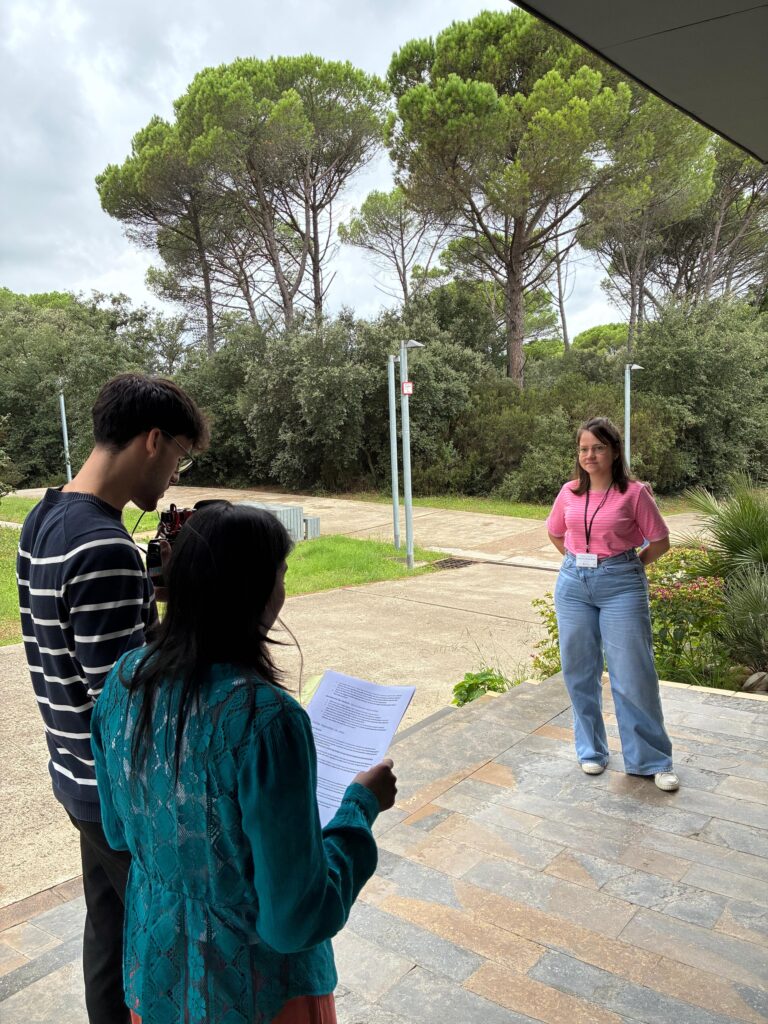
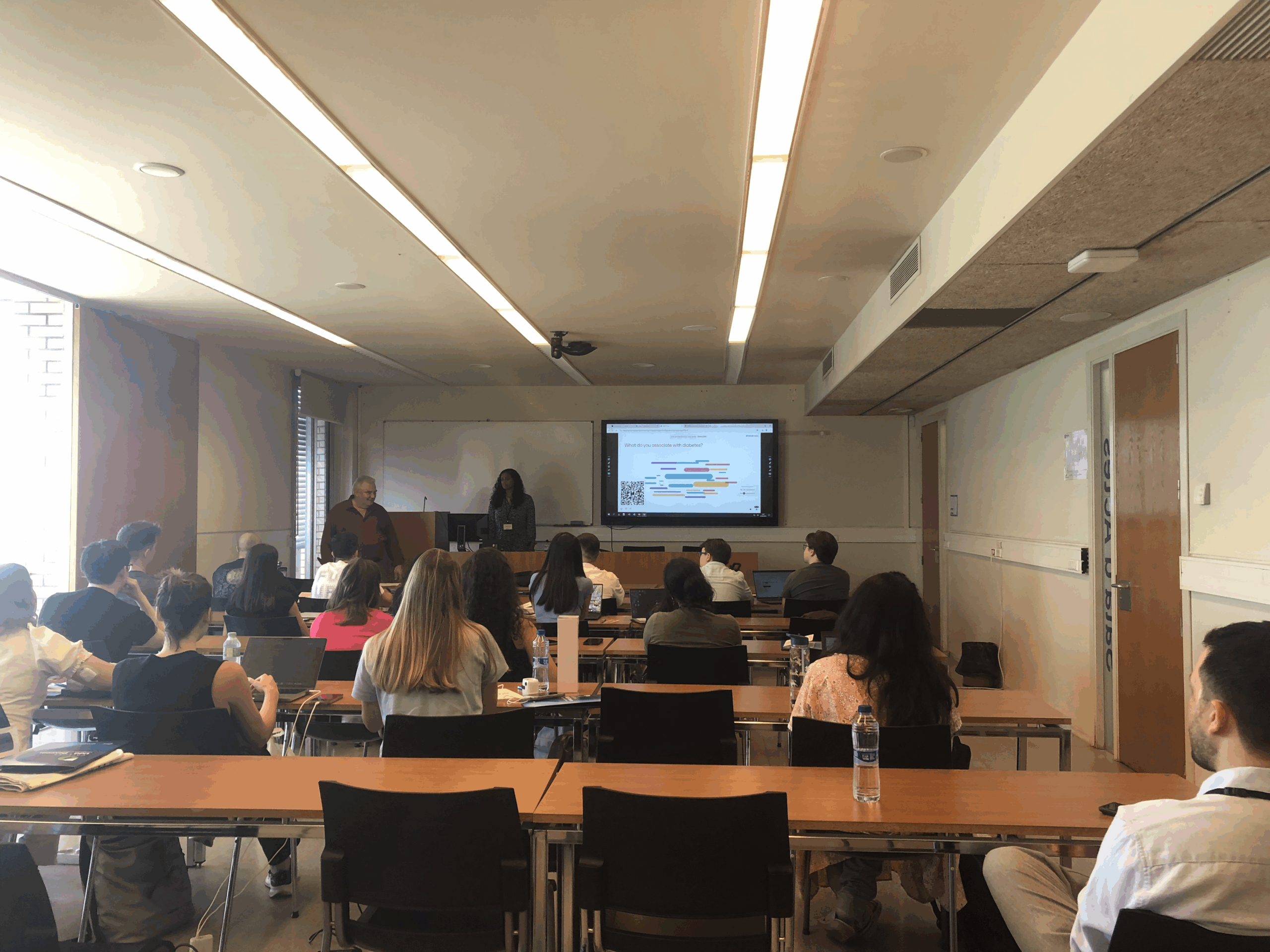
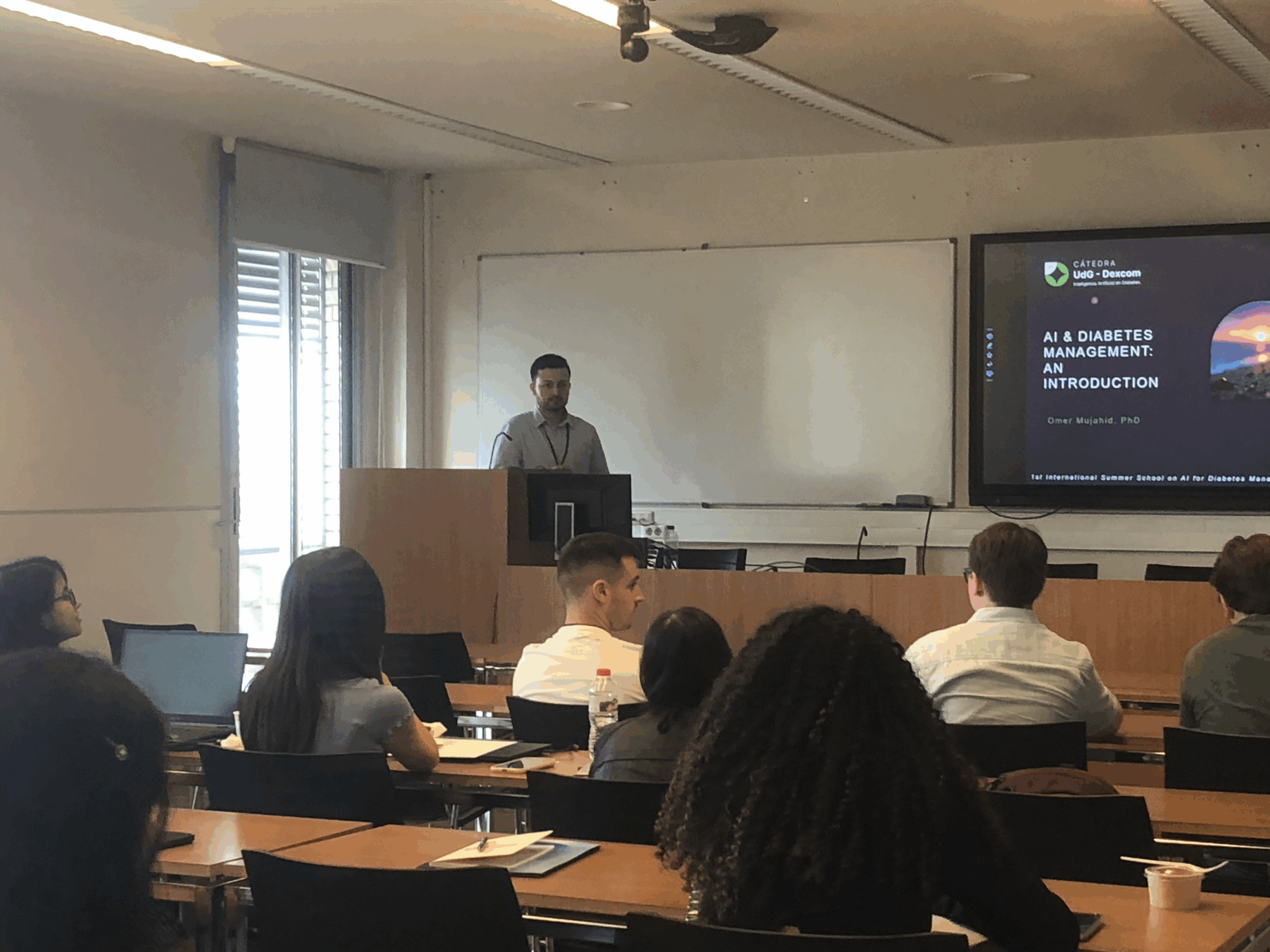
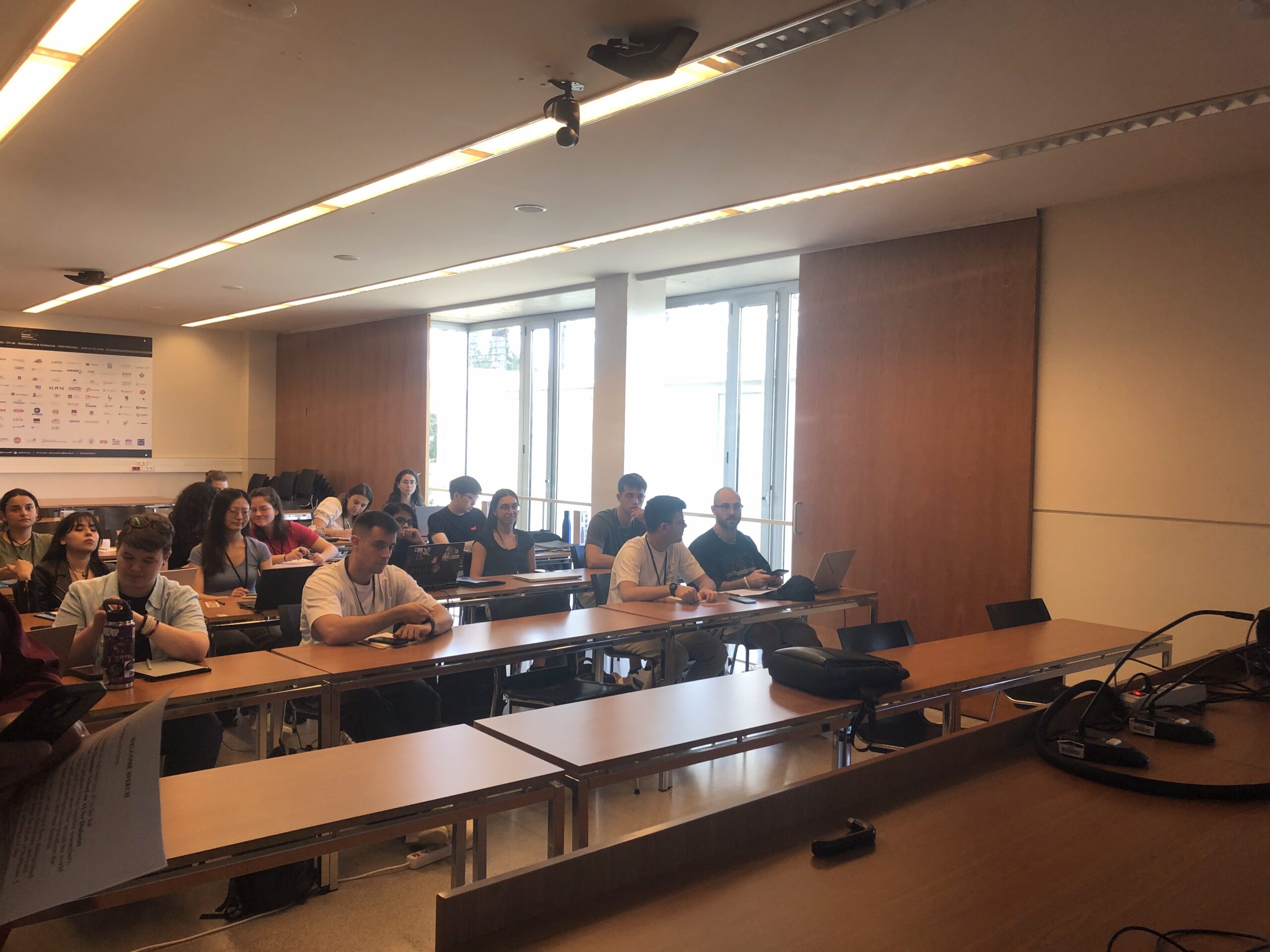
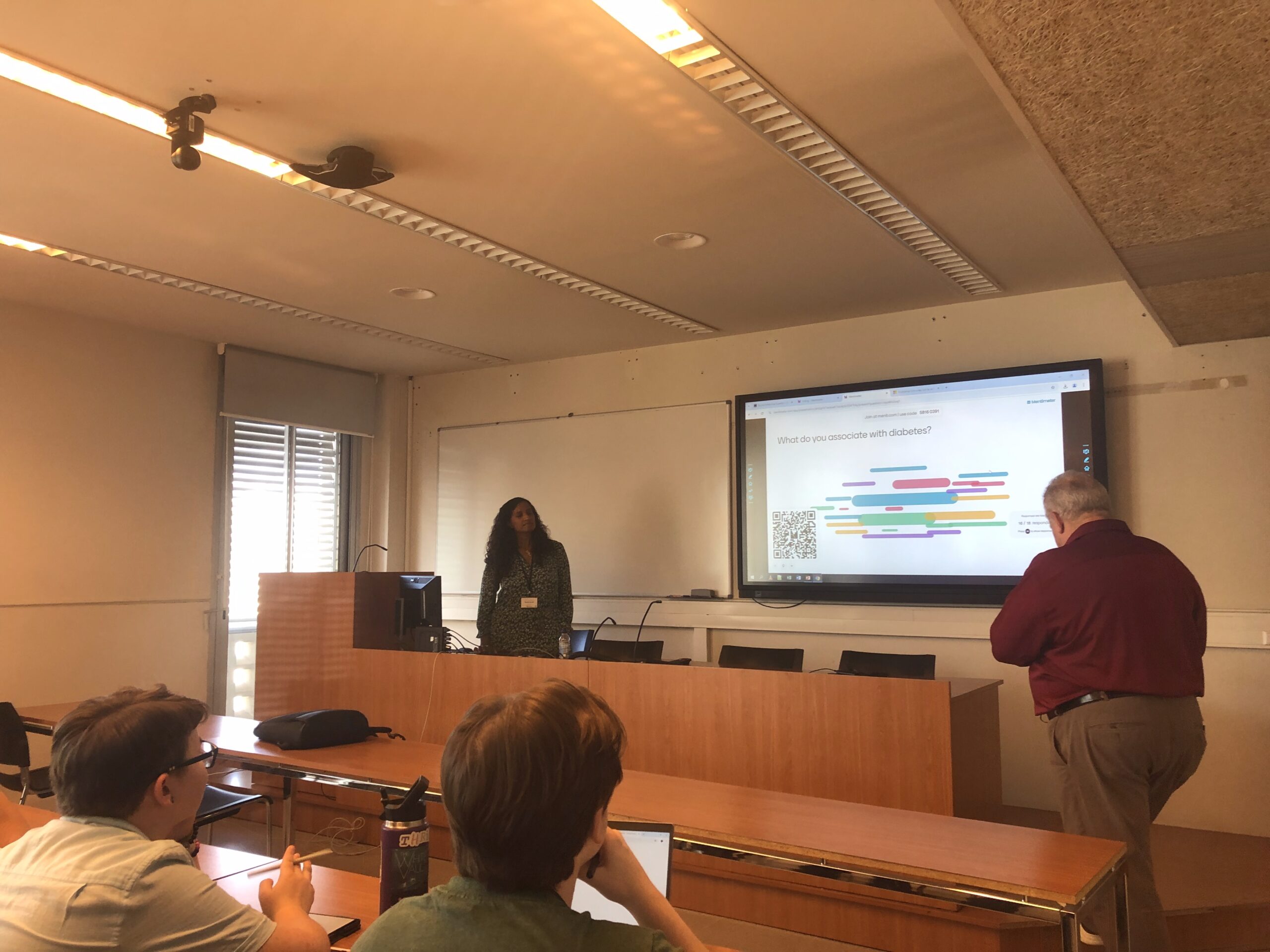
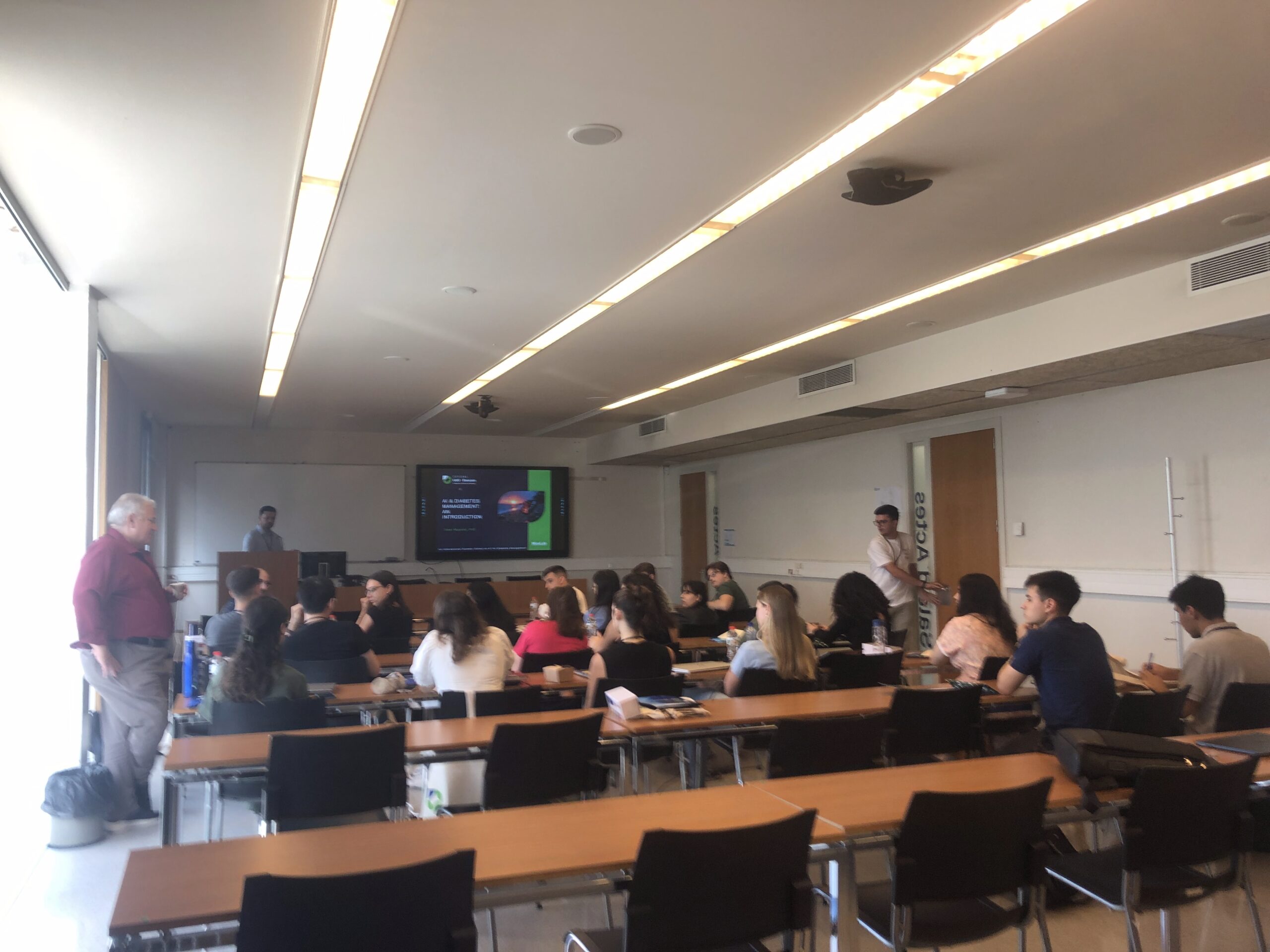
The 1st International Summer School on Artificial Intelligence for Diabetes Management marked the launch of a pioneering annual initiative by the UdG–Dexcom Chair in Artificial Intelligence and Diabetes. Held in Girona, the program brought together students, researchers, clinicians, and industry professionals from around the world to explore the intersection of data science, technology, and healthcare.
As a proud collaborator, MICELAB contributed to the success of this first edition, reinforcing its commitment to advancing research and innovation in medical imaging and computational technologies applied to health. The Summer School was not only an academic training event but also a platform for dialogue, collaboration, and the creation of a global community dedicated to improving the lives of people with diabetes through the responsible use of AI.
Program Overview
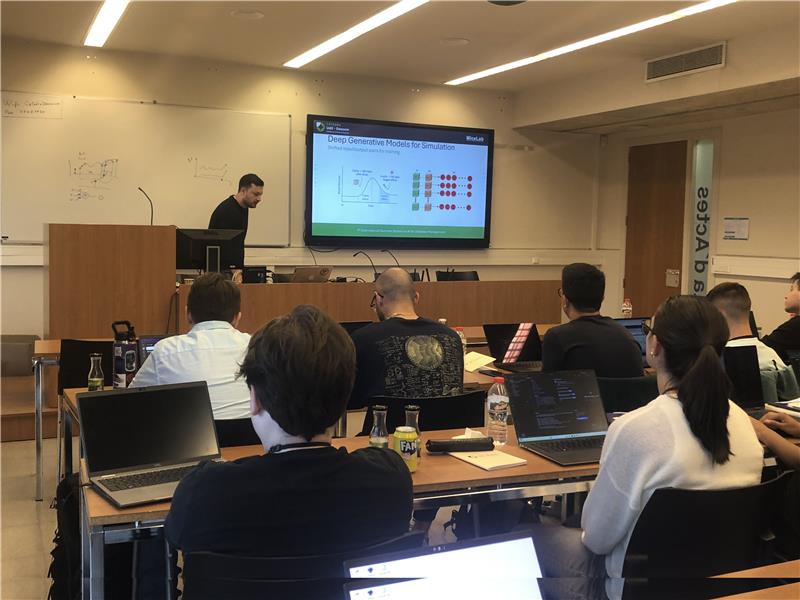
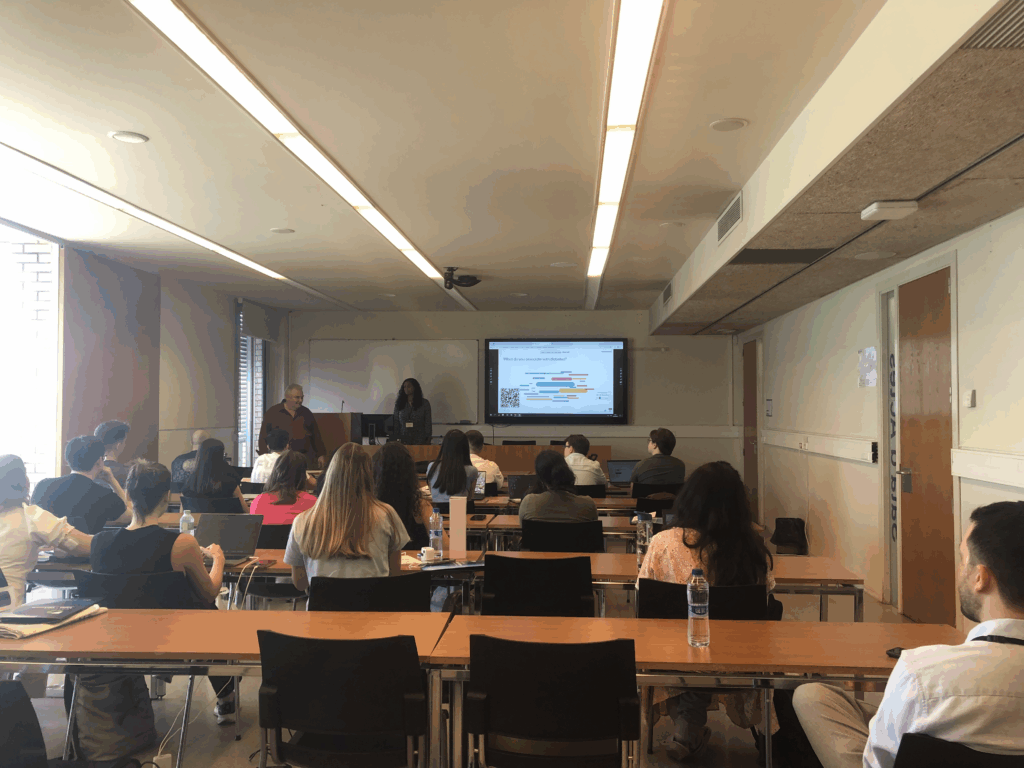
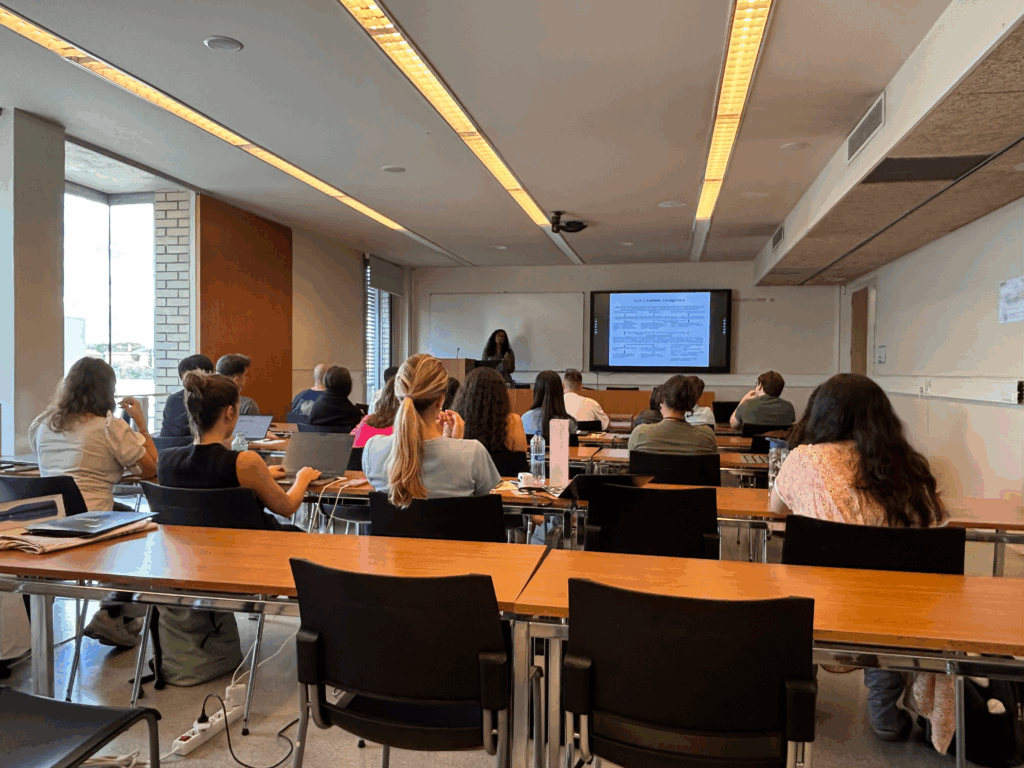
The Summer School was designed as an intensive one-week program combining lectures, hands-on workshops, and interactive discussions. Its structure ensured that participants not only gained theoretical knowledge but also practical insights into the latest applications of AI in diabetes management.
The program objectives were threefold:
-
Bridging knowledge and practice: connecting scientific research with the clinical realities of diabetes care.
-
Exploring technological frontiers: introducing participants to state-of-the-art AI tools such as predictive models, digital twins, and computer vision.
-
Fostering collaboration: creating opportunities for students, healthcare professionals, and researchers to exchange ideas and build long-term partnerships.
Through this structure, the Summer School provided a unique environment where expertise, curiosity, and collaboration came together to address real-world healthcare challenges.
Day-by-Day Highlights
Day 1: Foundations – AI Meets Diabetes Care
The program opened with a focus on bridging the gap between clinical realities and technological innovation.
-
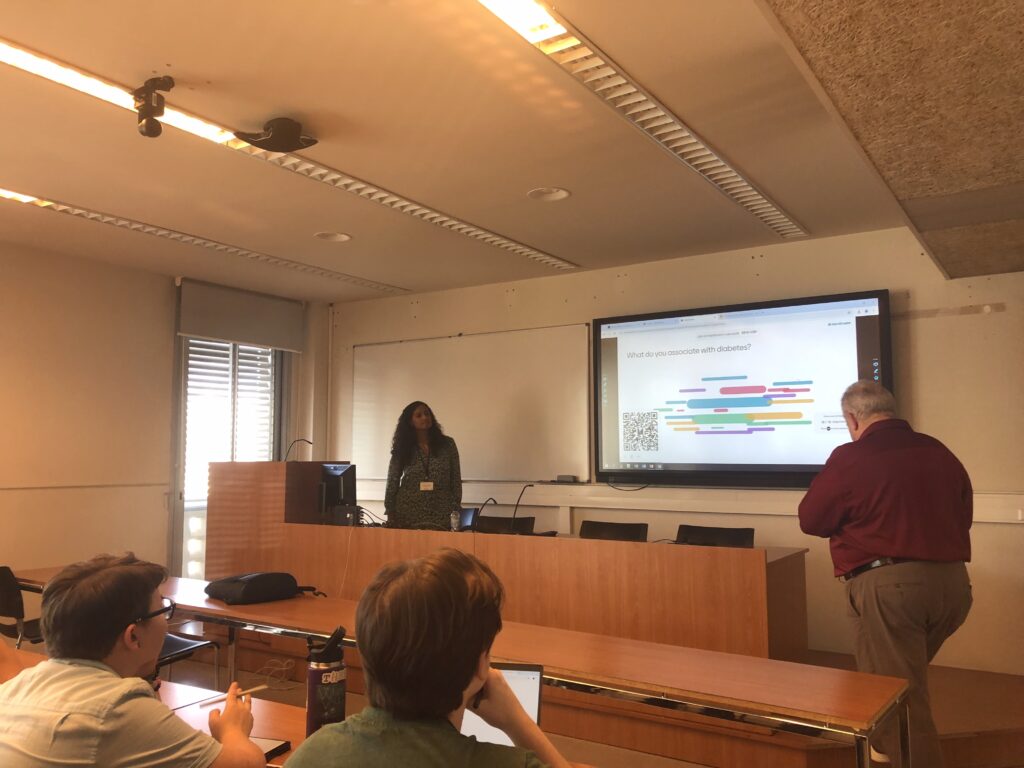
Monika Reddy provided a clinical overview of diabetes for technology and health researchers, grounding innovation in patient needs.
-
Omer Mujahid introduced the role of AI in diabetes management, outlining how algorithms and devices can reshape care practices.
Day 2: Predictive Models and Digital Twins
The second day explored how data-driven tools are transforming diabetes care.
-
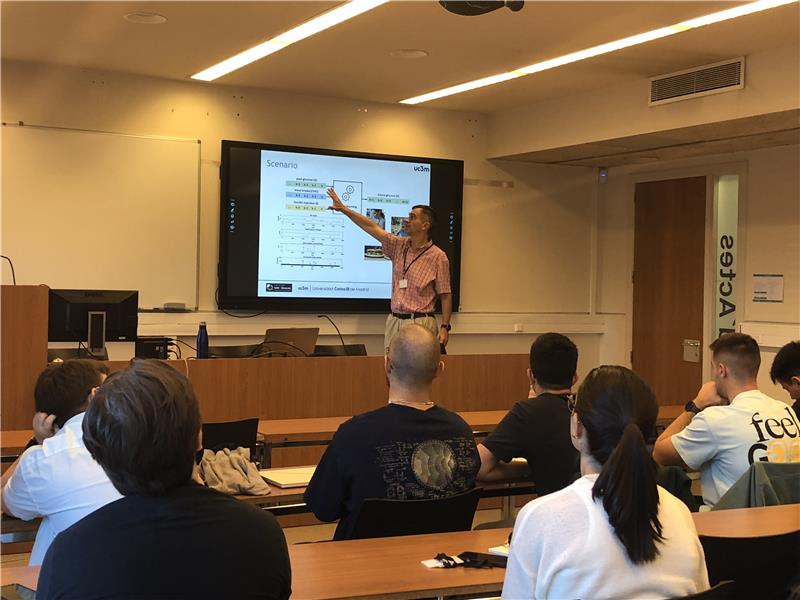
Mario Muñoz presented AI techniques for glucose prediction and hyperglycemia prevention.
-
Celia Penella and Prof. Claudia Eberle demonstrated the potential of generative AI combined with Dexcom Clarity in clinical practice.
-
Omer Mujahid introduced T1D simulators and digital twins, paving the way for personalized diabetes management.
Day 3: Responsible and Ethical AI
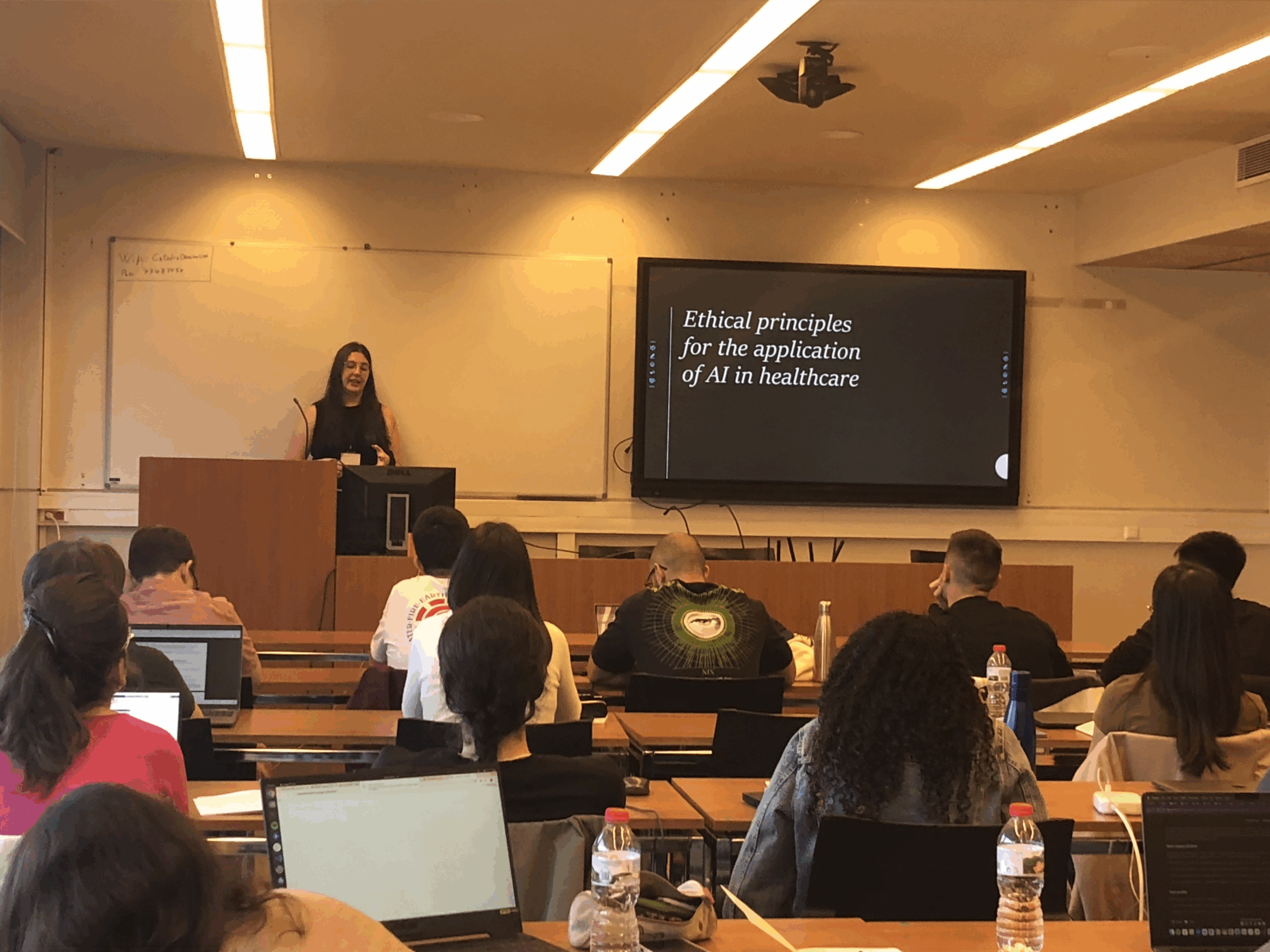
A critical focus was placed on ethics, transparency, and fairness in healthcare AI.
-
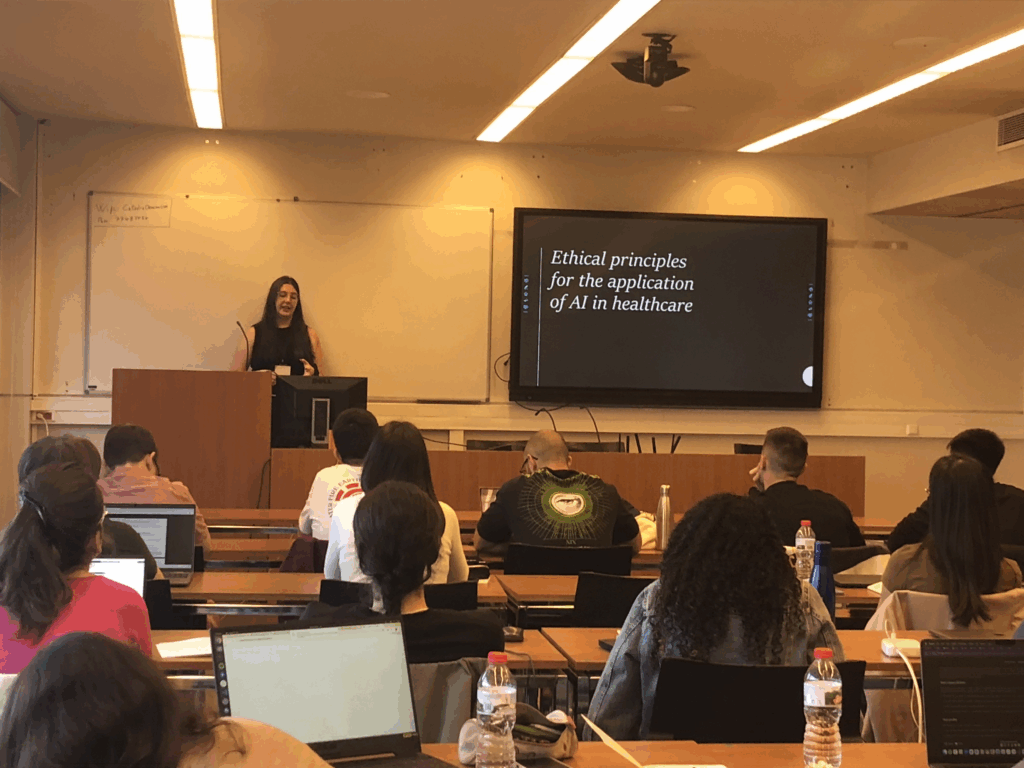
Alexandra Lillo Campoy led a workshop on responsible AI, embedding ethical considerations throughout the development process.
-
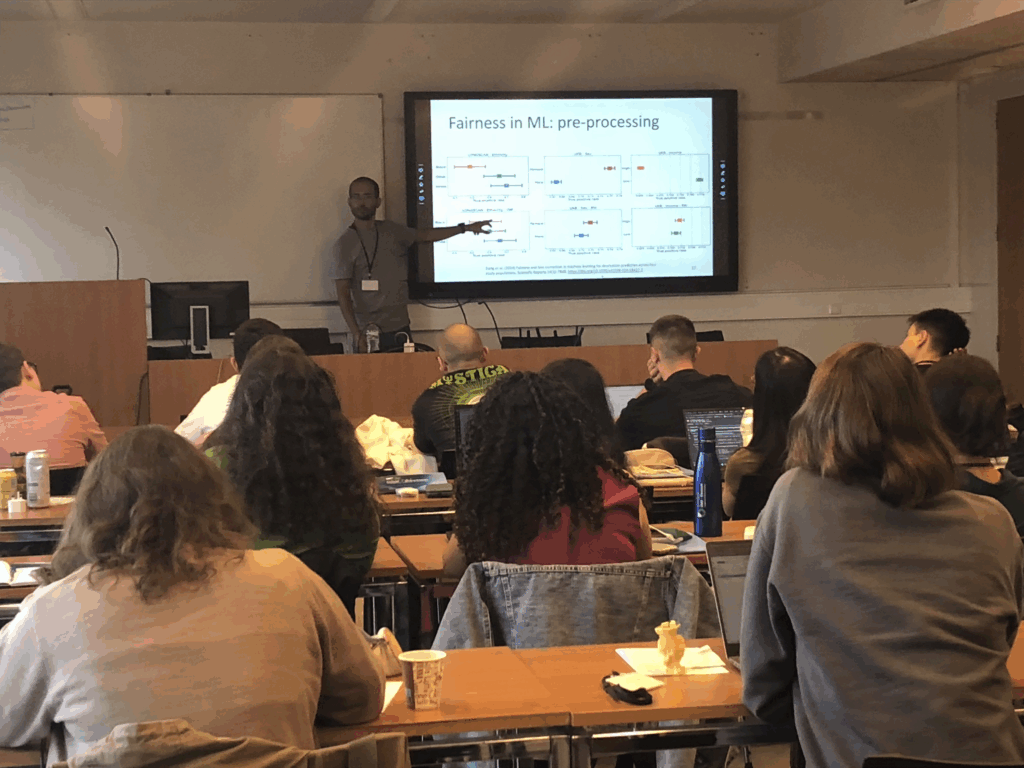
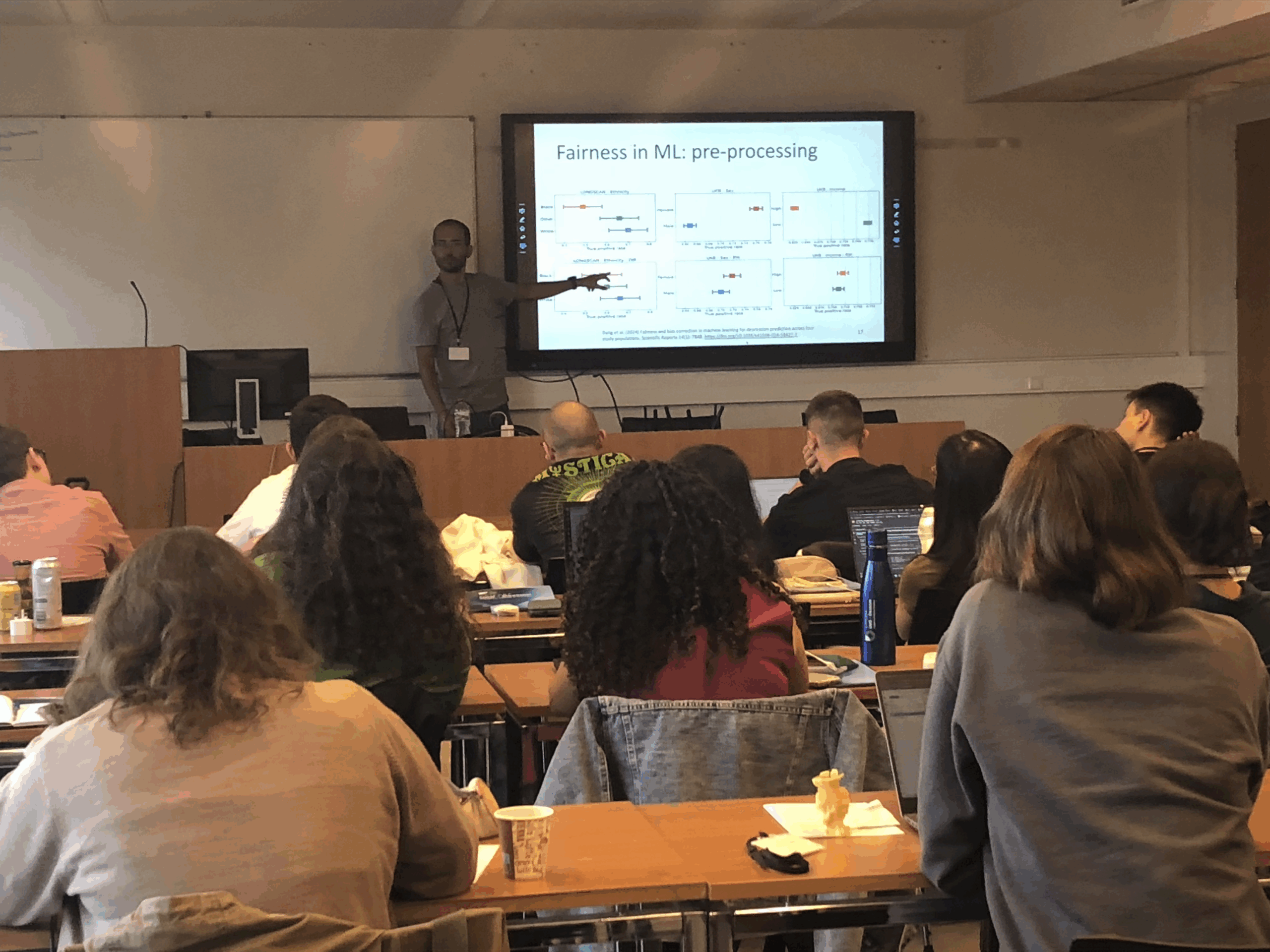
Jerónimo Hernández González addressed bias in machine learning models, offering strategies to build fairer systems.
-
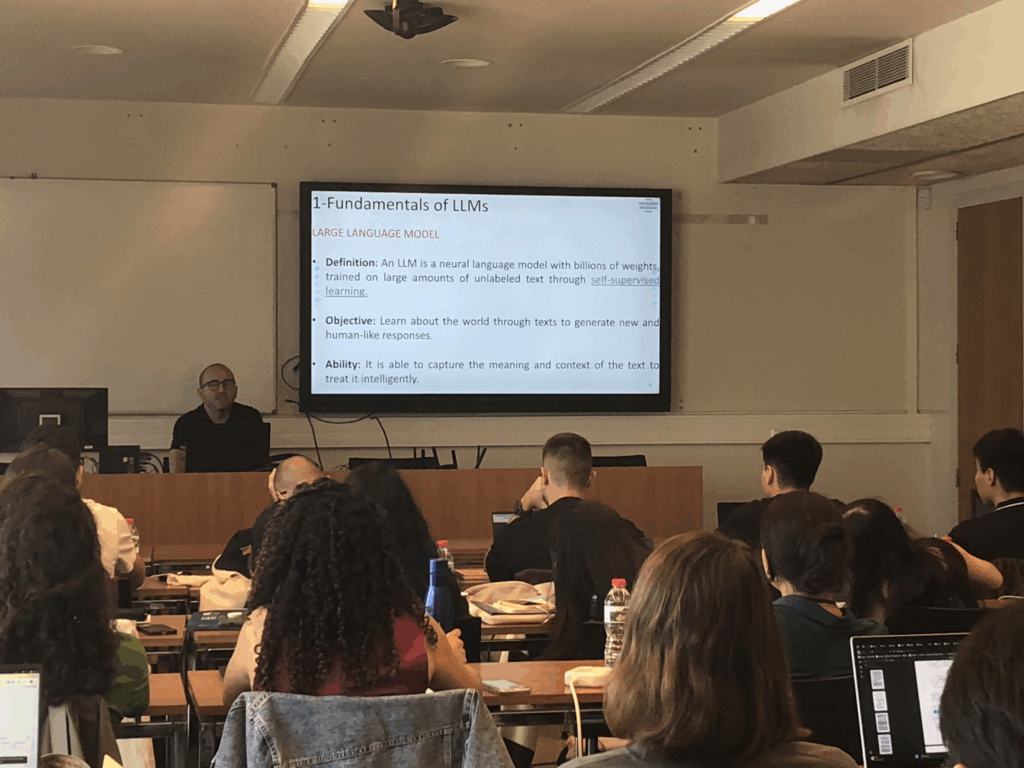
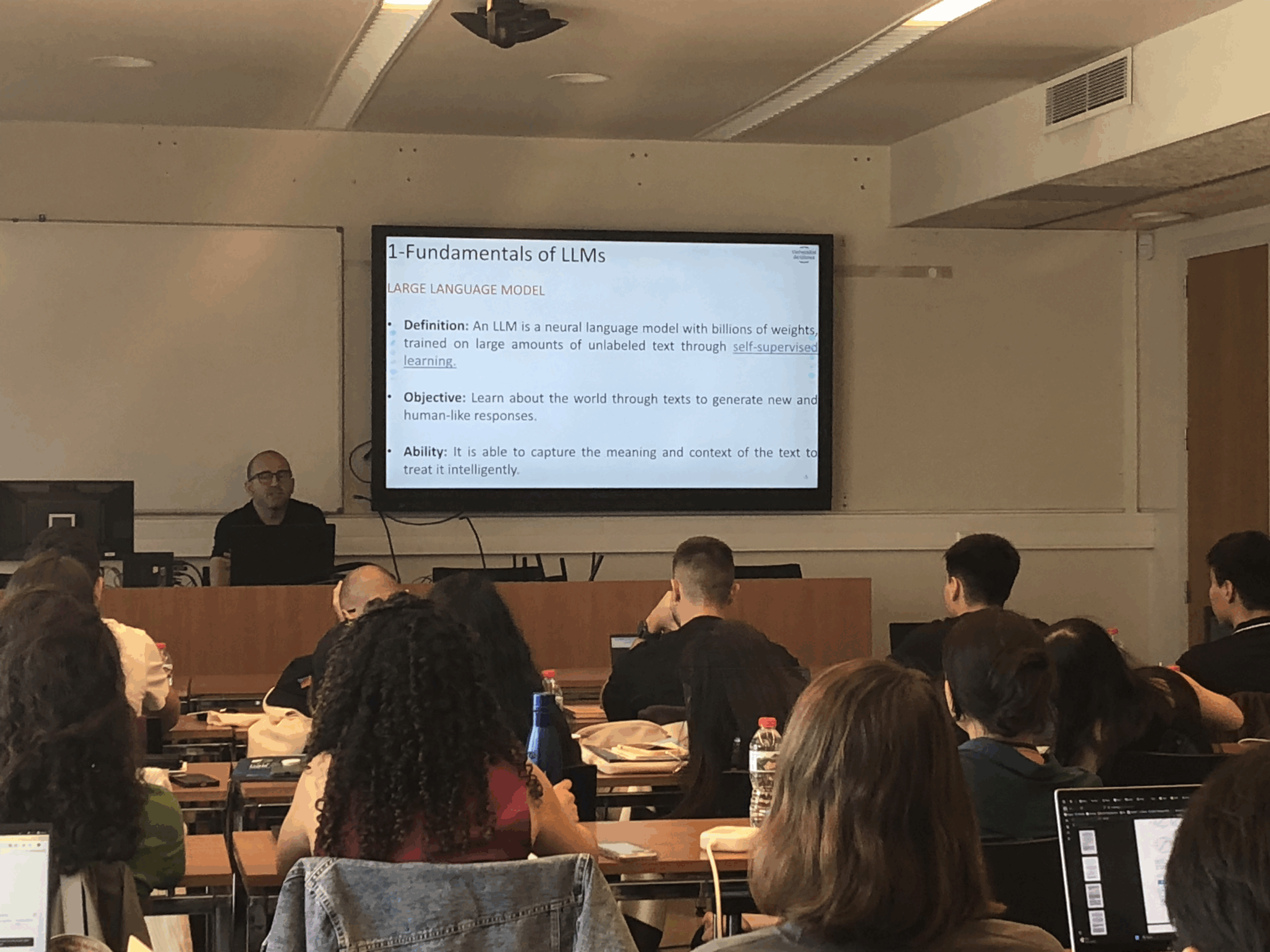
Joaquim Massana explored the role of large language models (LLMs) in clinical settings, discussing both their potential and limitations.
Day 4: Computer Vision and Advanced Glucose Control
The fourth day highlighted advanced techniques at the frontier of research.
-
Xavier Lladó presented state-of-the-art computer vision methods for detecting diabetic complications, including a hands-on session on diabetic foot assessment.
-
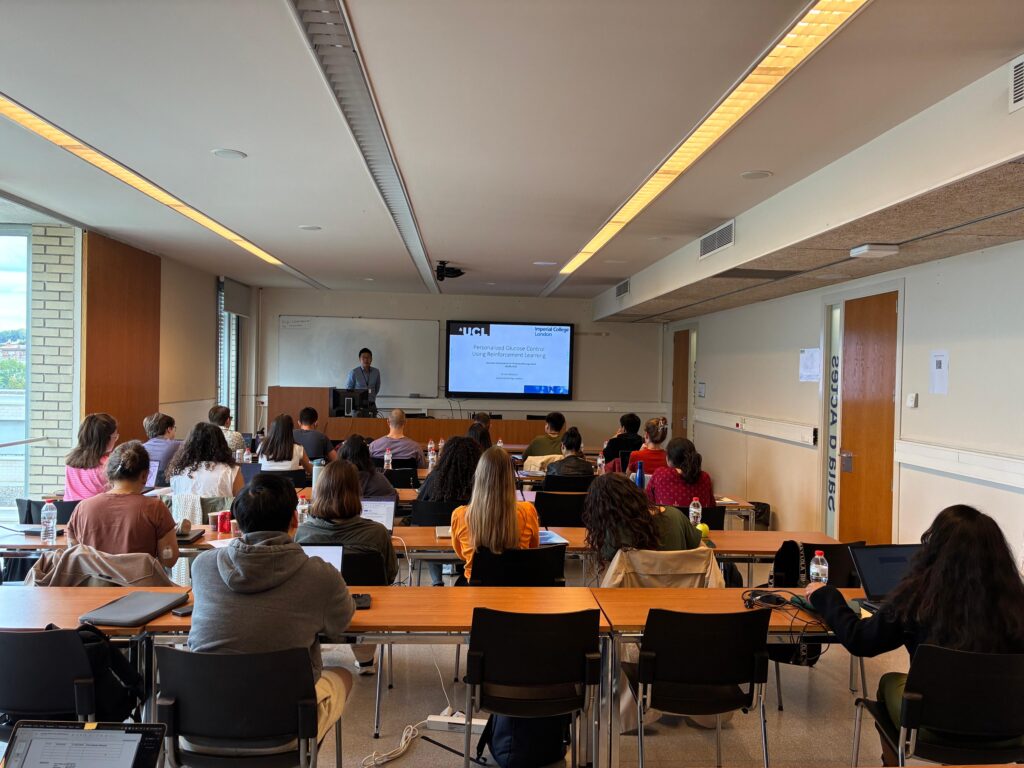
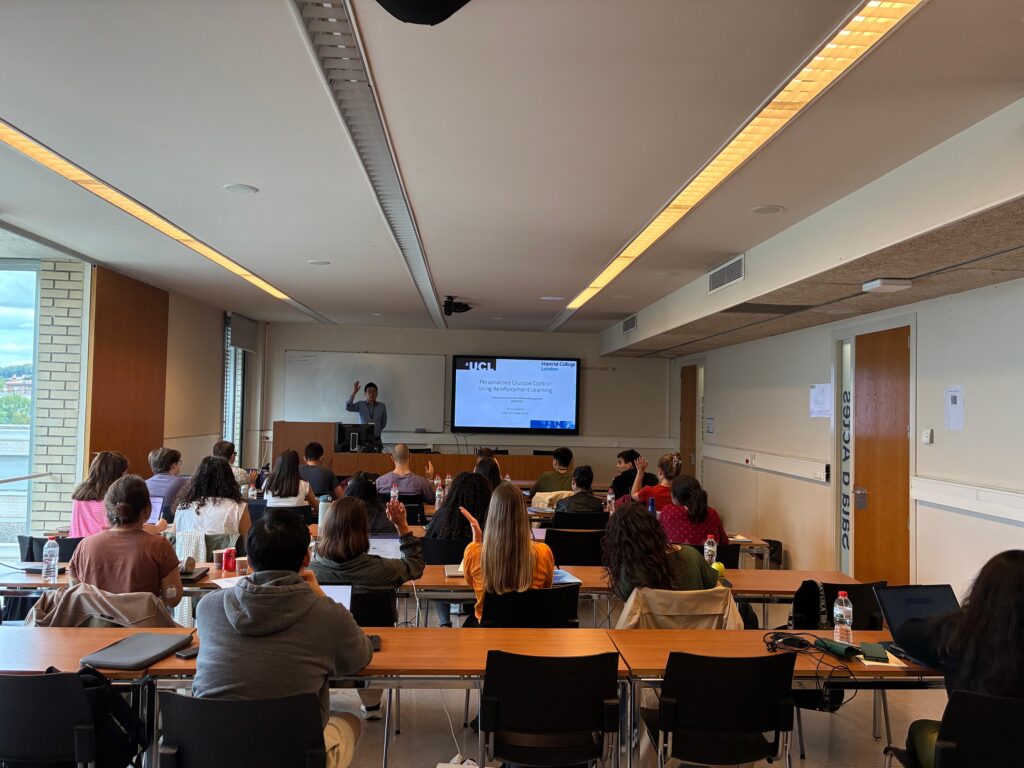
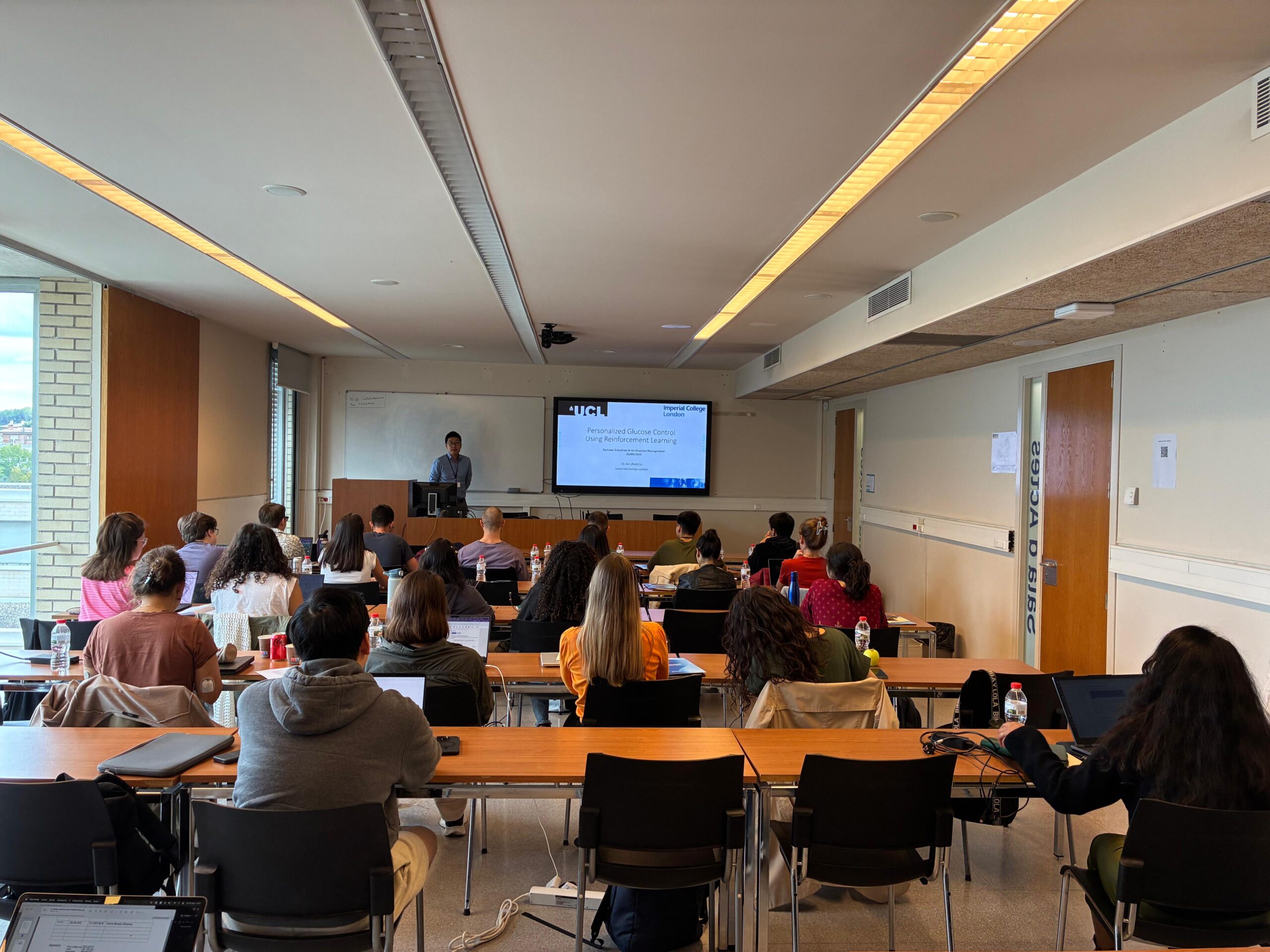
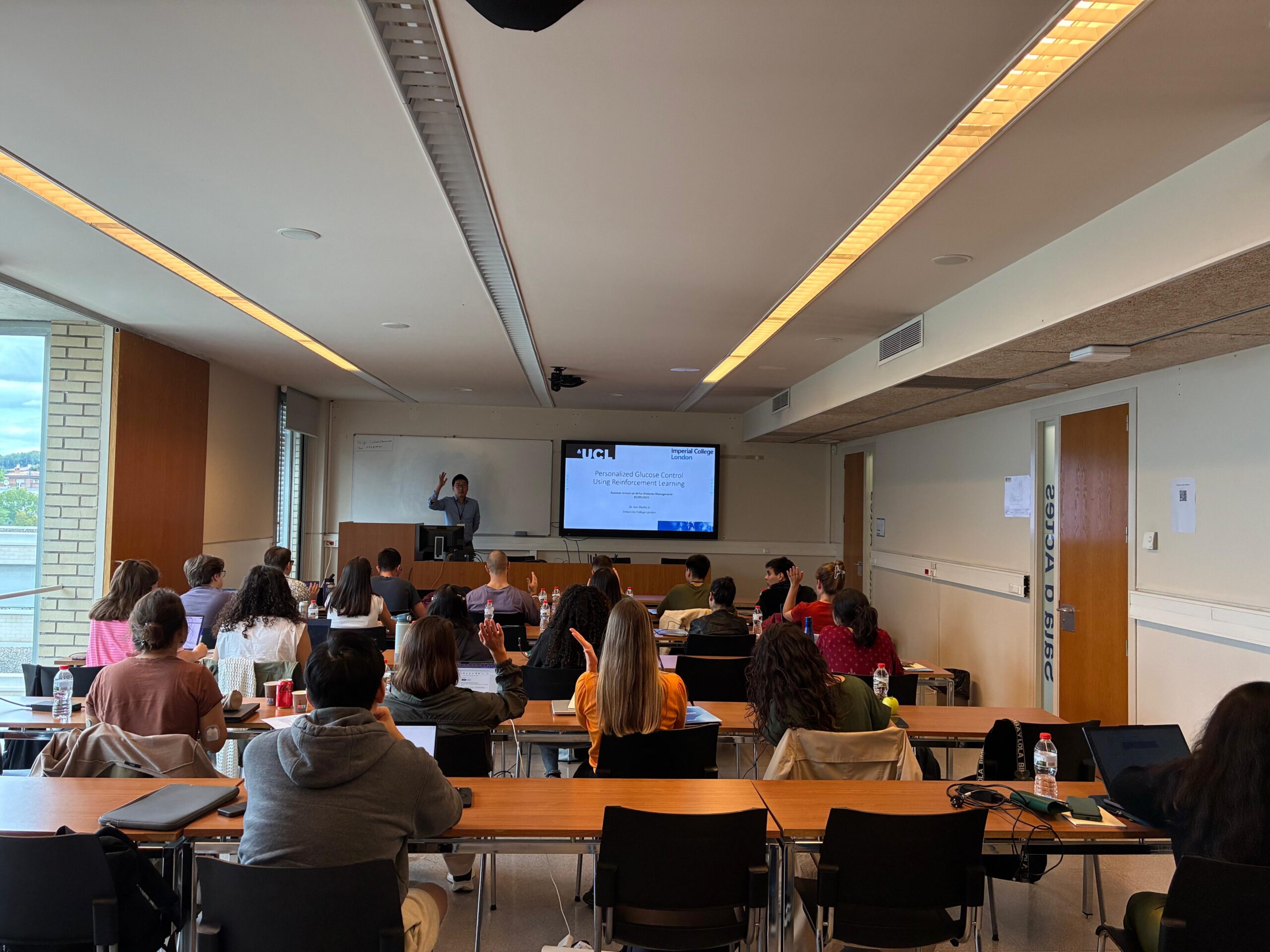
Kezhi (Ken) Li showcased reinforcement learning approaches for personalized dual-hormone control.
-
Giacomo Cappon discussed real-time AI decision support systems for glycemic control in type 1 diabetes.
Day 5: Scaling AI for the Future of Diabetes Care
The final day focused on translating innovation into safe, scalable solutions.
-
Marc Breton examined the integration of AI-driven methods into regulated medical devices, ensuring innovation meets clinical and safety standards.
-
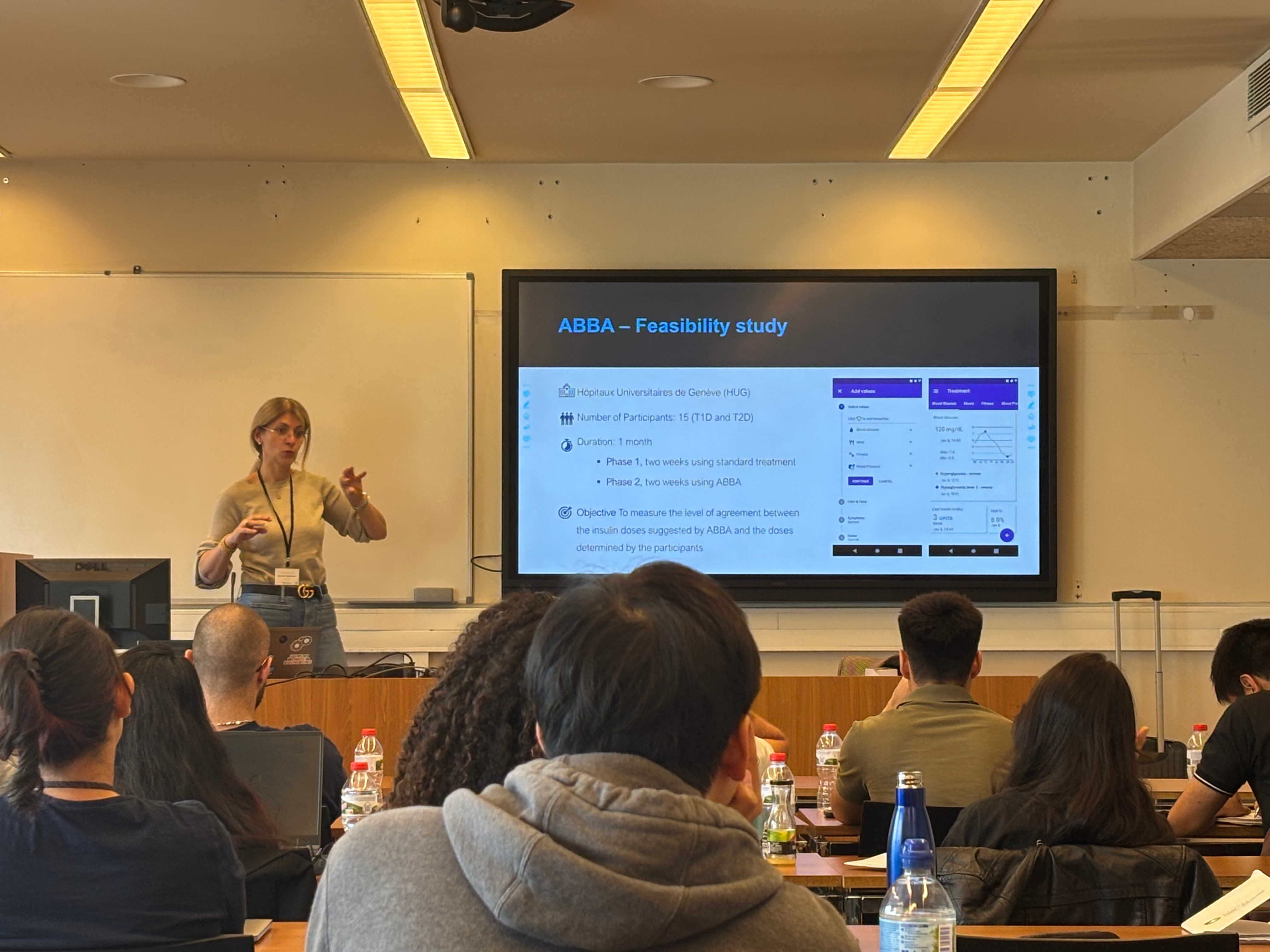
Stavroula-Georgia Mougiakakou demonstrated how smartphones and wearables can empower patients and reduce the daily burden of diabetes.
The closing sessions emphasized both the promise of personalization and the importance of rigorous standards, setting the direction for the future of AI in healthcare.
Impact and Outcomes
The Summer School successfully established itself as a benchmark for training and collaboration in the emerging field of AI for diabetes management. Over the course of five days, participants not only deepened their technical knowledge but also gained an appreciation of the ethical, clinical, and regulatory dimensions of applying AI in healthcare.
Key outcomes of the program included:
-
Knowledge transfer: bridging academic research with clinical practice, ensuring that innovation remains aligned with patient needs.
-
Skill development: through practical workshops and hands-on sessions, participants acquired tools to apply AI techniques such as glucose forecasting, digital twins, computer vision, and reinforcement learning.
-
Ethical awareness: with dedicated sessions on bias, fairness, and responsible AI, the program reinforced the importance of transparency and trust in medical applications.
-
Cross-disciplinary collaboration: the diversity of backgrounds—spanning students, clinicians, engineers, and researchers—created a fertile environment for exchange and long-term partnerships.
By combining cutting-edge scientific insights with applied practice, the Summer School contributed to shaping the next generation of researchers and professionals who will drive innovation in diabetes care.
Networking and Community Building
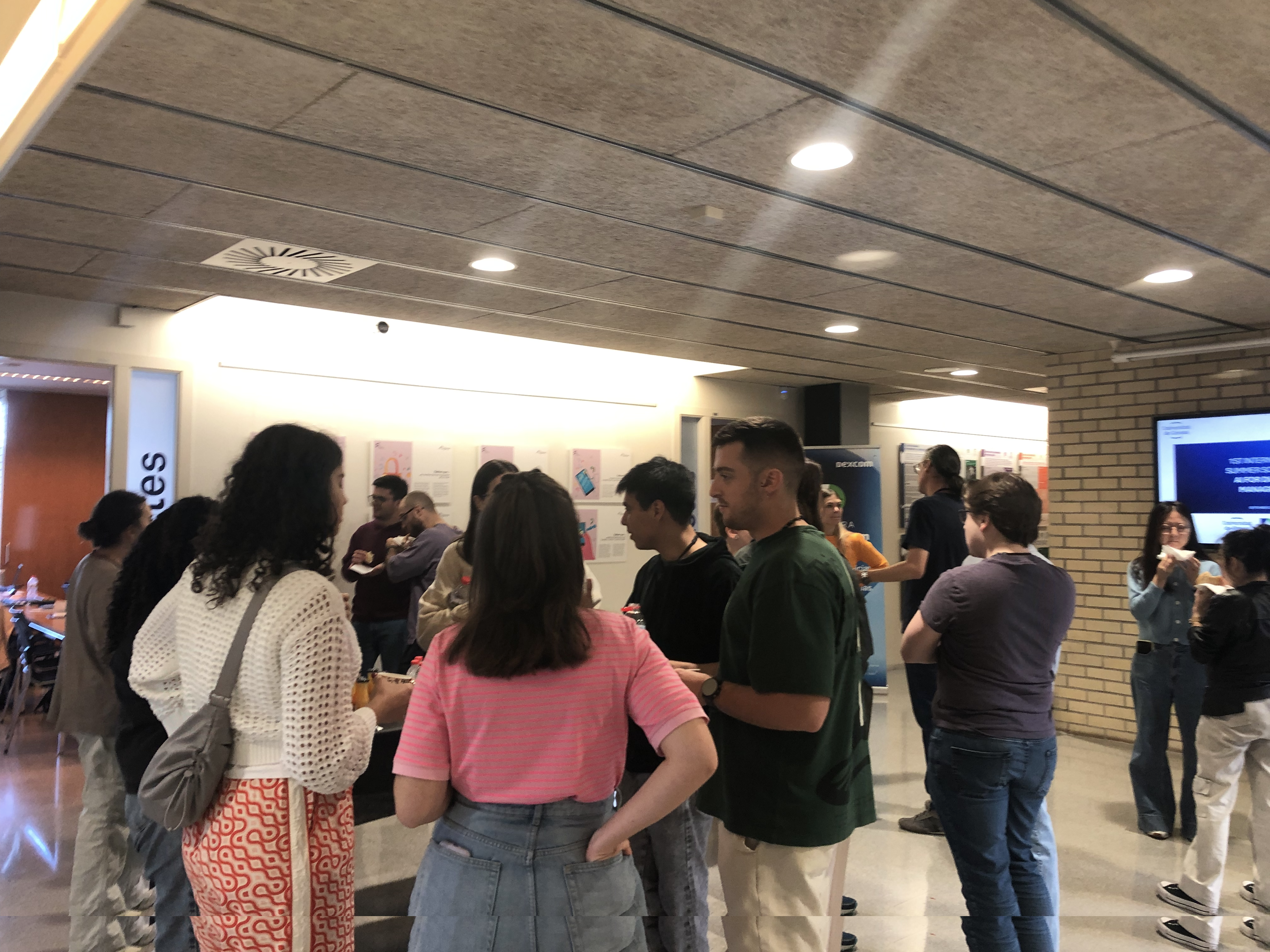
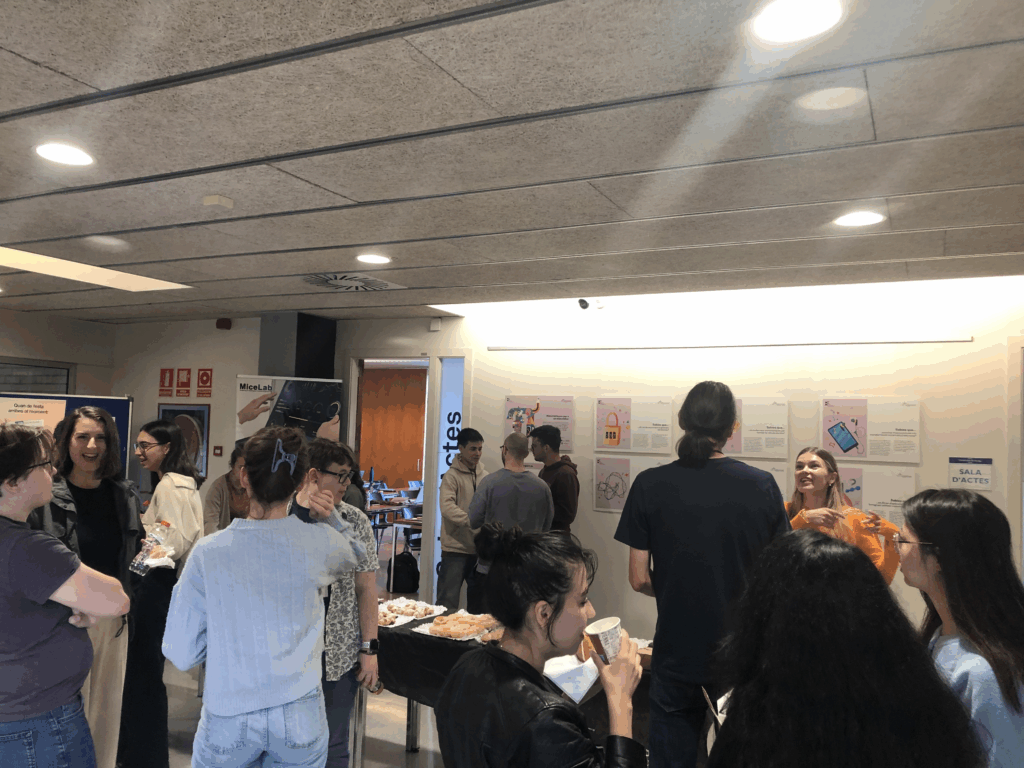
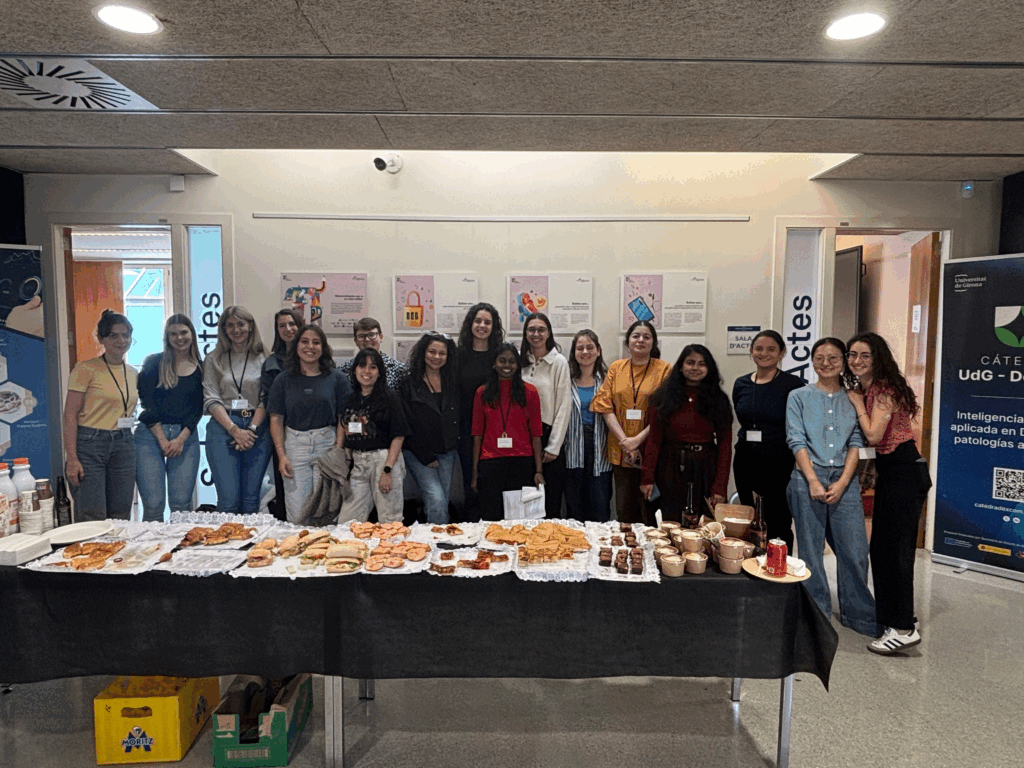
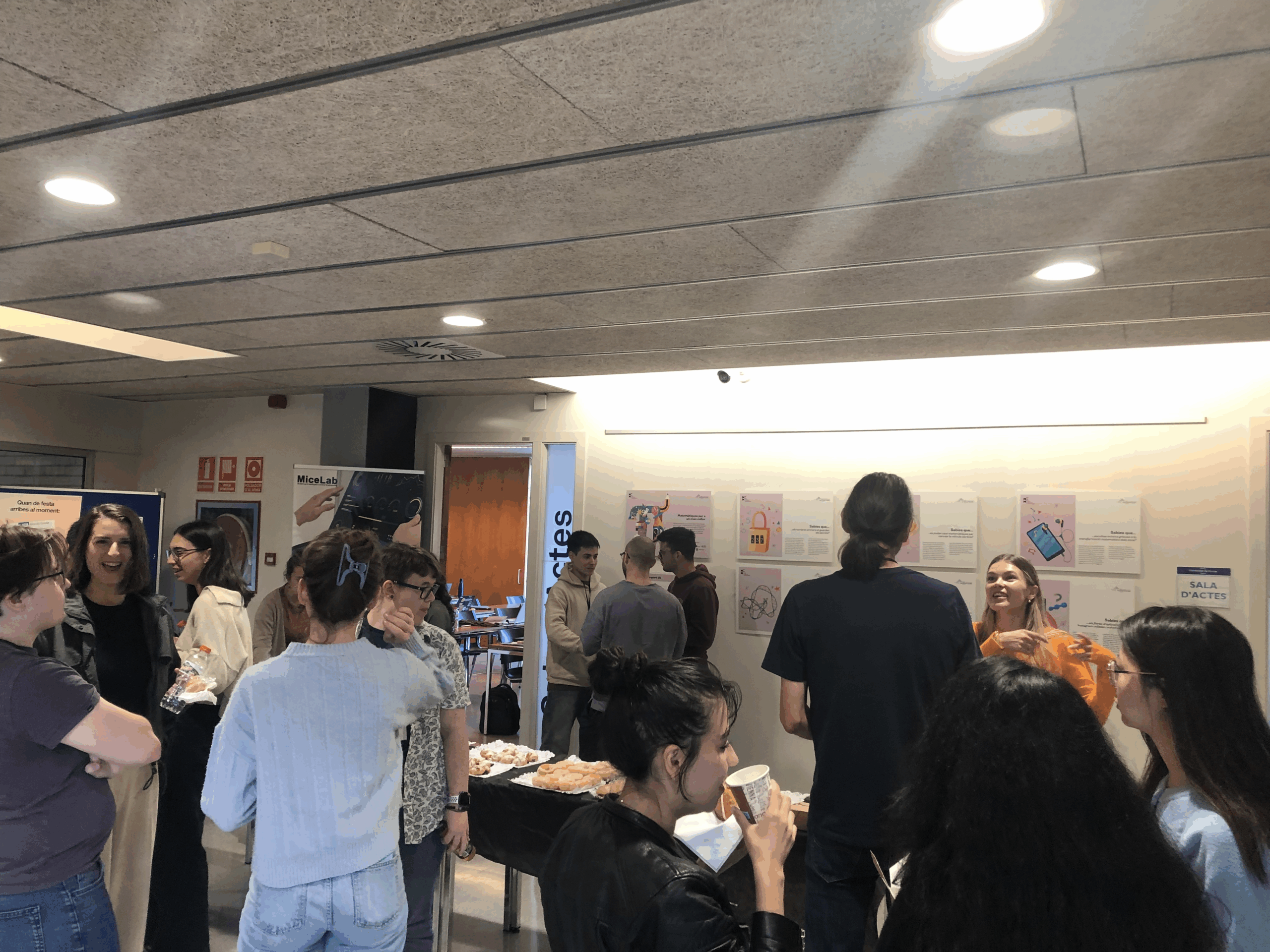
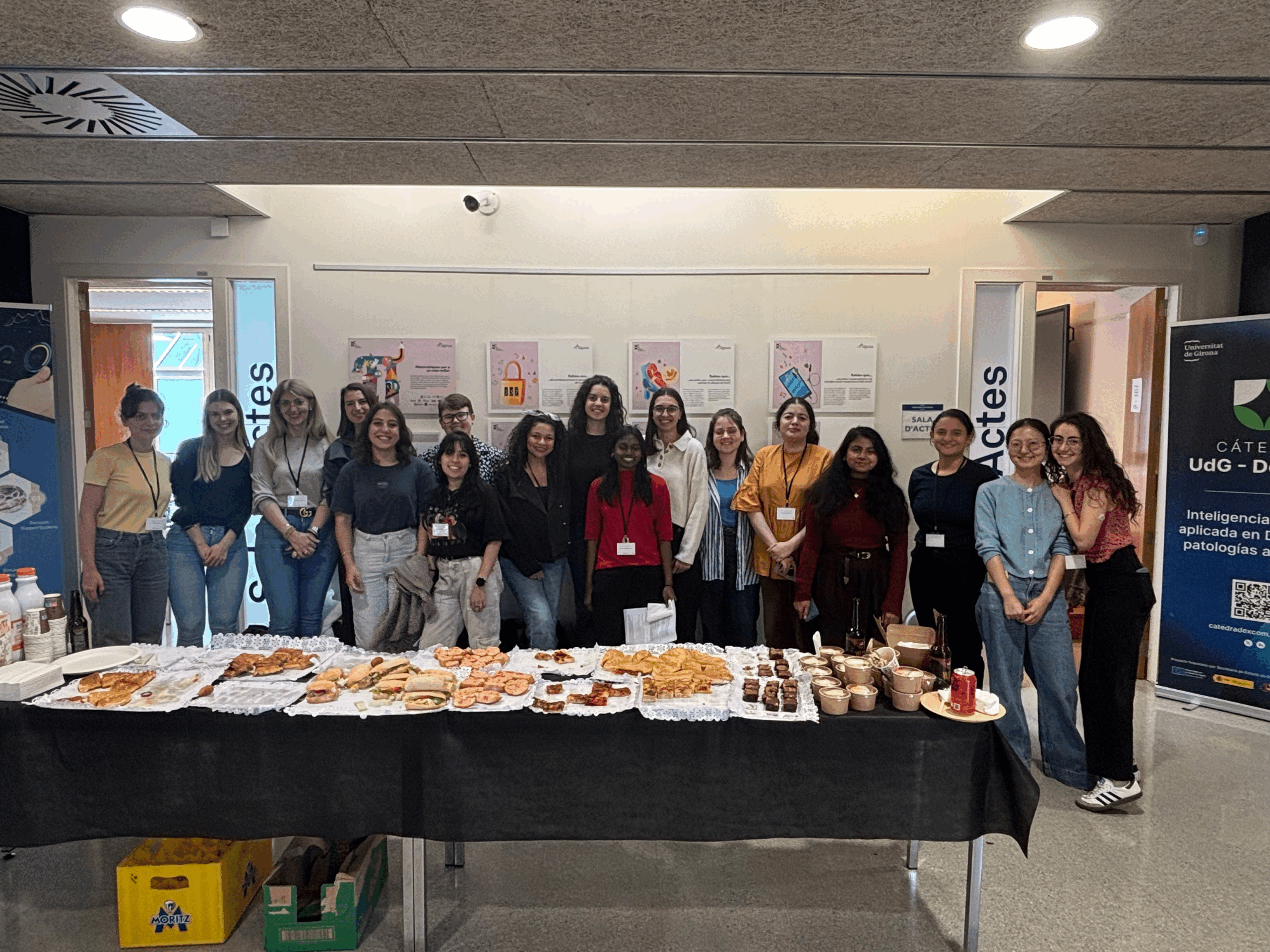
Beyond its scientific program, the Summer School stood out as a unique platform for connection. Informal exchanges during coffee breaks, workshops, and the farewell dinner created opportunities for participants to build meaningful professional relationships.
These moments of interaction fostered collaboration across disciplines and institutions, strengthening the foundation of an international community dedicated to advancing AI in diabetes care. Many attendees highlighted the value of these exchanges as much as the lectures themselves, recognizing that innovation often emerges at the crossroads of dialogue and shared experiences.
The Summer School thus served not only as a training ground, but also as a catalyst for partnerships that will continue to expand the impact of this initiative well beyond its first edition.
Looking Ahead
Building on the success of its inaugural edition, the Summer School on AI for Diabetes Management is set to continue as an annual event, expanding its reach and impact. Future editions will further explore cutting-edge technologies, ethical considerations, and personalized approaches to diabetes care, while continuing to foster collaboration across academia, industry, and clinical practice.
MICELAB remains committed to supporting this initiative, contributing expertise in computational technologies and medical imaging to advance innovation in healthcare. Prospective participants, researchers, and healthcare professionals are encouraged to engage with the program and join a growing international community dedicated to transforming diabetes management through responsible and impactful AI.
For more information about future editions and participation opportunities, interested parties can connect with the Summer School at catedraudgdexcom@udg.edu