RESEARCH
1. Intelligent Control Systems for Diabetes and Chronic Diseases
MICELAB focuses on the development of advanced control strategies for the management of chronic diseases, with a particular emphasis on type 1 diabetes. Our work integrates control engineering, sensor technologies, and predictive algorithms to design closed-loop systems such as the artificial pancreas, enabling safer and more effective glucose regulation.
A key aspect of this research line involves fault detection, risk assessment, and adaptive control mechanisms to ensure system reliability under real-life conditions. By advancing intelligent control solutions, MICELAB contributes to improving patient outcomes and fostering greater autonomy in disease management.


2. Digital Twins and Predictive Modelling in Healthcare
Accurate modelling of physiological processes is essential for the development of robust medical technologies. MICELAB designs and applies mathematical models and digital twins to replicate individual and population-level responses to various factors such as meals, insulin dosing, and physical activity.
These virtual representations enable extensive in-silico experimentation, facilitating the testing and validation of therapeutic strategies and medical devices before clinical implementation. Through predictive modelling, we aim to enhance the safety, efficiency, and personalization of future healthcare solutions.
3. Artificial Intelligence, Wearables and Smart Health Technologies
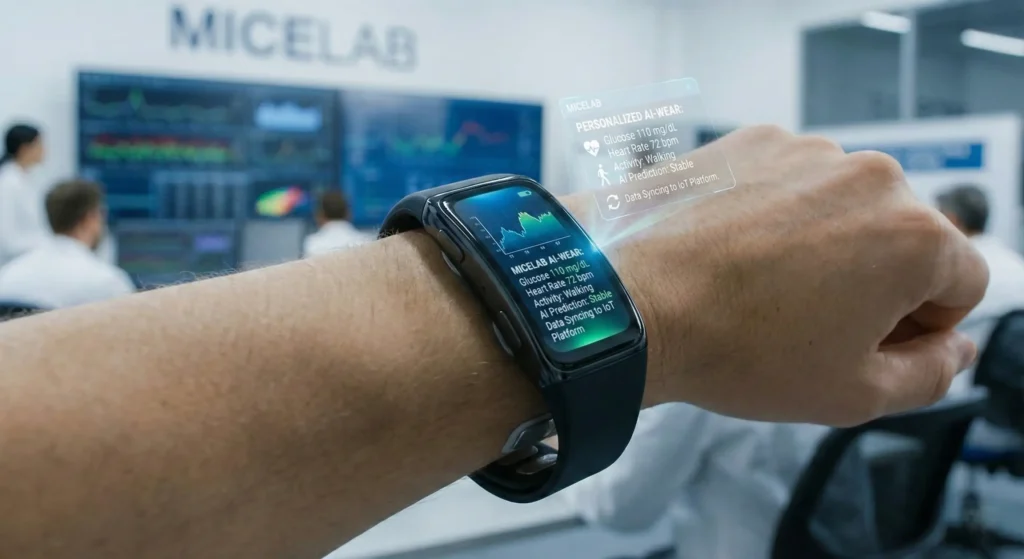
MICELAB explores the integration of artificial intelligence, machine learning, and wearable technologies to develop advanced digital health systems. Our research includes real-time data analysis, decision support tools, and telemonitoring solutions that enhance clinical practice and empower patients in managing their health.
By combining IoT infrastructures, mobile health platforms, and AI-driven predictive analytics, we contribute to the evolution of healthcare toward personalized, connected, and proactive care.